
What Is a Virtual Tour? The Complete Guide to Interactive Digital Experiences (2026)
Learn what a virtual tour is, how it works, the different types available, and why businesses use interactive virtual tours to increase engagement and sales.
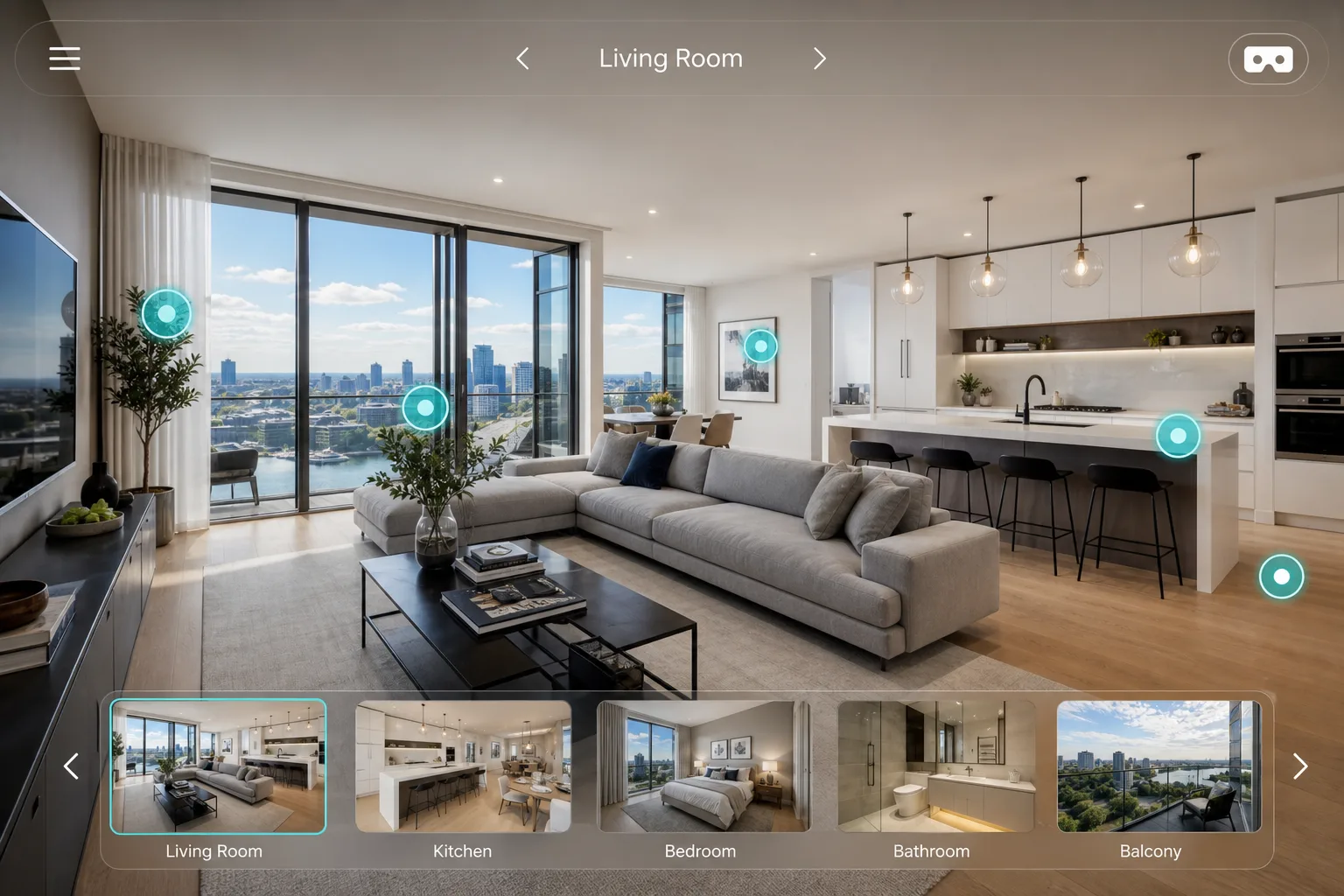
Key Takeaways
- A virtual tour is an interactive experience; visitors choose where to look and navigate.
- Common formats include 360° tours, 3D digital twins, guided tours and AI-enhanced tours.
- Virtual tours typically drive higher engagement than static photos or linear video walkthroughs.
- Industries from real estate and hotels to museums, healthcare and retail use them to build trust and convert.
- AI is adding guides, translations, assistants and personalised experiences to modern tour platforms.
Virtual tours have transformed the way people explore properties, businesses, tourist attractions and educational spaces without physically being there. From buying a home to visiting a museum on another continent, virtual tours allow users to experience places in an immersive, interactive way using nothing more than a web browser, smartphone or VR headset.
But what exactly is a virtual tour? How does it work? What's the difference between a 360° virtual tour, a digital twin and a video walkthrough? And why are businesses across real estate, hospitality, education, tourism and retail investing in virtual tour technology?
In this guide, we'll answer those questions while exploring how modern AI and immersive technology are redefining virtual experiences.
What Is a Virtual Tour?
A virtual tour is an interactive digital experience that allows users to explore a real or computer-generated location remotely.
Unlike traditional photographs or videos, a virtual tour gives visitors control over where they look and where they move. Users can navigate between rooms, zoom into details, open information hotspots, watch embedded videos, view floor plans and even interact with objects inside the environment.
Most modern virtual tours are created using high-resolution 360-degree panoramic photography, LiDAR scanning or 3D modelling. The result is an immersive experience that closely replicates visiting a location in person.
How Does a Virtual Tour Work?
A typical tour includes:
- High-resolution 360° panoramic images
- Navigation hotspots
- Interactive menus
- Information panels
- Videos
- Audio narration
- Floor plans
- Maps
- Embedded documents
- Contact forms
- AI-powered assistants
Visitors click or tap navigation points to move through the environment. Unlike watching a video, they decide exactly where to explore. That freedom increases engagement because users remain in control throughout the experience.
Platforms such as 360 Tours Studio host these experiences online so they can be embedded on websites or shared via links and QR codes.
Types of Virtual Tours
Not all virtual tours are the same.
1. 360° Virtual Tours
The most common format. A specialist 360° camera captures every direction simultaneously, creating spherical panoramic images.
Users can:
- Look up
- Look down
- Spin around
- Zoom in
- Move between locations
This is the standard used by estate agents, hotels and businesses — and the format behind many benefits of virtual tours for estate agents.
2. 3D Digital Twins
Digital twins combine 360 photography with depth scanning and LiDAR data to create an accurate digital replica of a real building.
These often include:
- Dollhouse view
- Floor plans
- Measurements
- BIM data
- Asset management
- Maintenance information
Digital twins are increasingly used within construction, facilities management and commercial real estate.
3. Guided Virtual Tours
These tours follow a predefined route. Rather than freely exploring, visitors follow a carefully designed journey through the space.
This format works well for:
- Universities
- Museums
- Historic buildings
- Tourist attractions
4. AI-Enhanced Virtual Tours
The latest generation of virtual tours uses artificial intelligence to create richer experiences.
Examples include:
- AI tour guides
- Instant translations
- Voice narration
- Object recognition
- Interactive FAQs
- AI-generated descriptions
- Personalised recommendations
Platforms like ReHub Studio are introducing AI features that make tours more engaging than traditional click-through experiences — part of a wider shift in how AI is transforming estate agency marketing.
What Can Be Included Inside a Virtual Tour?
Modern virtual tours can contain much more than panoramic photography.
Features often include:
- Floor plans
- Property information
- Videos
- Drone footage
- Before-and-after sliders
- Virtual staging
- Day-to-night viewing
- Interactive maps
- Contact forms
- Booking systems
- Audio narration
- Accessibility features
- Multi-language support
- AI chat assistants
- Documents and PDFs
- Product information
- QR codes
These features transform a simple tour into a complete digital experience — especially when paired with Showcase pages that present the full property story.
Industries Using Virtual Tours
Virtual tours are no longer limited to real estate. Today they are widely used across many industries.
Real Estate
Perhaps the most recognised application. Buyers can:
- View homes remotely
- Compare layouts
- Understand room sizes
- Explore gardens
- Return for multiple viewings
Virtual tours reduce unnecessary viewings while attracting more qualified buyers.
Hotels
Hotels use virtual tours to showcase bedrooms, suites, restaurants, spa facilities, swimming pools and conference rooms. Guests can inspect accommodation before booking, increasing confidence and reducing cancellations.
Education
Schools and universities use virtual tours for open days, international recruitment, campus exploration, student accommodation and facilities. Many institutions now offer immersive campus experiences year-round — including educational environments on 360Worlds.
Museums
Interactive exhibitions allow visitors to learn about artefacts, read historical information, watch videos and listen to expert commentary. Some museums also provide VR-compatible experiences.
Healthcare
Hospitals increasingly use virtual tours to familiarise patients before appointments. Benefits include reducing anxiety and helping visitors navigate complex facilities.
Retail
Retailers are creating immersive showrooms where customers can explore products naturally. Furniture companies, car dealerships and luxury brands increasingly use this approach.
Why Are Virtual Tours So Effective?
Several factors explain their effectiveness.
Greater Engagement
People spend significantly longer exploring interactive content than viewing static images. Rather than passively consuming information, visitors actively participate.
Increased Trust
Transparency builds confidence. Virtual tours allow customers to inspect every corner of a location rather than relying on carefully selected photographs. This often leads to higher-quality enquiries.
Better Understanding
A floor plan shows layout. Photographs show appearance. A virtual tour combines both into an intuitive experience. Visitors quickly understand scale, layout, flow, lighting and connections between rooms.
Improved Accessibility
People can visit locations from anywhere in the world. This benefits international buyers, remote students, elderly visitors, disabled users and busy professionals. For accessibility best practice on the open web, see the W3C Web Accessibility Initiative.
Virtual Tours vs Video Walkthroughs
Many people confuse these two formats.
A video walkthrough follows a fixed route. The viewer watches passively.
A virtual tour gives complete control. Users choose where to go, what to inspect and how long they spend exploring each space.
Because of this freedom, virtual tours typically generate far higher engagement.
Virtual Tours vs Digital Twins
These terms are sometimes used interchangeably, but they differ.
A virtual tour focuses on immersive exploration. A digital twin is a complete digital representation of a physical asset.
Digital twins often include:
- Measurements
- Engineering data
- Asset registers
- Building management information
- Maintenance records
Many digital twins include virtual tours as one component.
How Are Virtual Tours Created?
The production process usually follows several stages.
Planning
Identify the key areas to capture and determine the visitor journey.
Capture
Professional 360 cameras capture panoramic imagery throughout the location. For larger projects, LiDAR scanners and drones may also be used.
Editing
Images are colour corrected and stitched into seamless panoramas.
Tour Building
Software connects scenes using interactive navigation hotspots. Additional content such as videos, maps and floor plans is added.
Publishing
The completed tour is hosted online and can be embedded within websites or shared via links and QR codes.
The Rise of AI in Virtual Tours
Artificial intelligence is changing the virtual tour industry rapidly.
New capabilities include:
- AI-generated property descriptions
- Voice-guided tours
- Automatic translations
- Smart accessibility features
- AI customer assistants
- Interactive learning experiences
Instead of static tours, businesses can now create dynamic experiences that respond to visitor behaviour. This is particularly valuable for sales, education and customer support — and aligns with the future of property marketing technology.
Virtual Tours in Real Estate
Real estate remains the largest virtual tour market.
Agents use immersive tours to:
- Generate more enquiries
- Reduce unnecessary viewings
- Attract overseas buyers
- Market luxury homes
- Improve listing quality
Many buyers now expect virtual tours as standard, particularly for premium properties. For a deeper look at agent outcomes, see benefits of virtual tours for estate agents.
Virtual Tours Beyond Property
Some of the fastest-growing applications now include:
- Tourism
- Manufacturing
- Construction
- Healthcare
- Retail
- Heritage conservation
- Training
- Insurance
- Education
Businesses increasingly view virtual tours as permanent digital assets rather than one-off marketing tools — as Introducing 360Worlds shows for immersive learning.
Can Virtual Tours Work With VR Headsets?
Absolutely. Modern platforms support:
- Meta Quest
- Pico
- Apple Vision Pro
- Google Cardboard
- Desktop browsers
- Mobile devices
- Tablets
Viewing inside a VR headset creates an even greater sense of presence. This makes virtual tours particularly effective for education, tourism and training. ReHub's Meta Quest viewer experience is one example of how tours can be experienced immersively. Under the hood, browser-based VR builds on standards like the WebXR Device API and the broader Immersive Web ecosystem.
Choosing Virtual Tour Software
When comparing platforms, look for features including:
- Fast loading
- Mobile optimisation
- Branding
- Analytics
- Floor plans
- AI tools
- Multi-language support
- Hosting
- Easy sharing
- Security
- Accessibility
- API integrations
Businesses should also consider future scalability as immersive technology continues to evolve. 360 Tours Studio is designed as part of the wider connected ReHub Studio ecosystem, so tours sit alongside staging, Showcase pages and other listing media.
The Future of Virtual Tours
The next generation of virtual tours will become increasingly intelligent.
Expect to see:
- AI-generated guides
- Real-time conversations
- Live data integration
- Mixed reality
- Interactive avatars
- Personalised experiences
- Spatial audio
- Real-time collaboration
As VR hardware becomes more affordable, immersive browsing is likely to become increasingly mainstream.
Final Thoughts
Virtual tours have evolved far beyond simple panoramic photography.
Today they combine immersive imagery, AI, interactive content and digital twins to create experiences that educate, inform and convert visitors more effectively than traditional media.
Whether you're marketing property, showcasing a hotel, promoting a university campus or creating engaging educational content, virtual tours provide a powerful way to connect with audiences anywhere in the world.
As immersive technology continues to develop, virtual tours will become a standard part of digital communication — not just for real estate, but across almost every industry.
Continue Reading
To learn more about immersive technology and AI-powered property marketing, explore these related articles:
- Benefits of Virtual Tours for Estate Agents
- Introducing the Meta Quest Viewer Experience
- The Future of Property Marketing Technology
- Introducing 360Worlds: Immersive Learning Through Virtual Reality
- How AI Is Transforming Estate Agency Marketing
You can also explore how ReHub Studio combines AI, 360° virtual tours, Showcase and immersive experiences into a single platform, or visit 360Worlds to see educational virtual environments built using the same technology.
- #virtual tour
- #virtual property tour
- #360 virtual tour
- #interactive virtual tour
- #virtual tour software
- #virtual house tour
- #real estate virtual tours
- #AI virtual tours
- #digital twin
- #virtual tour benefits
Frequently Asked Questions

The ReHub Studio Team
Property Marketing Experts
The ReHub Studio team builds AI-powered tools that help estate agents, photographers and developers create better property marketing, faster.
Ready to improve your property marketing?
Enhance photos, remove clutter, stage rooms, produce floor plans, create video and publish listings from one ReHub account.
Related Articles

360° Virtual Tours vs Photo Galleries — When Each Wins
Photo galleries sell emotion quickly. 360° tours help buyers understand space. Learn when to invest in a tour, when a strong gallery is enough, and how to use both without overspending.
How to Record a Guided 360° Property Tour for Buyers Anywhere in the World
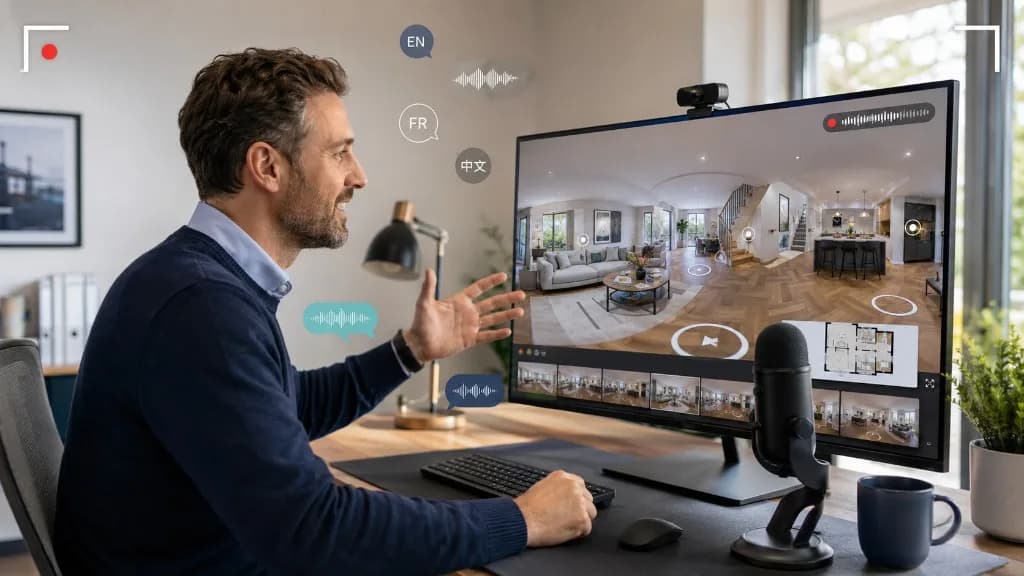
Combine 360Tours Studio with Screen Record to turn a self-guided virtual tour into a presenter-led viewing that buyers can watch anytime, anywhere — and in multiple languages.
Benefits of Virtual Tours for Estate Agents
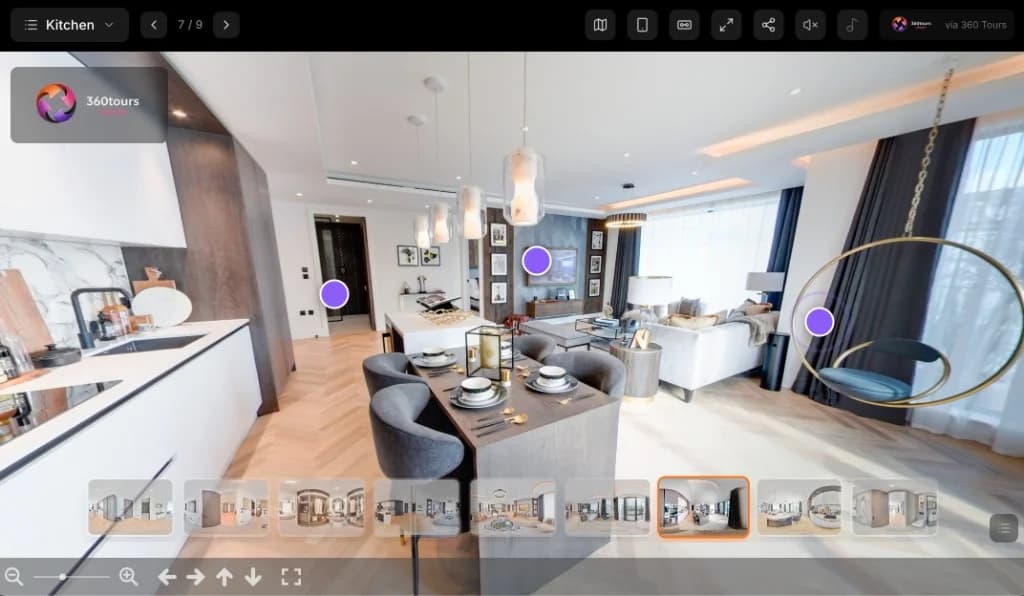
360 virtual tours let buyers explore a property online at any time. Here are the main benefits for estate agents, from fewer wasted viewings to more leads.